

(Learning the) Art of Fundraising in the Creative Sectors
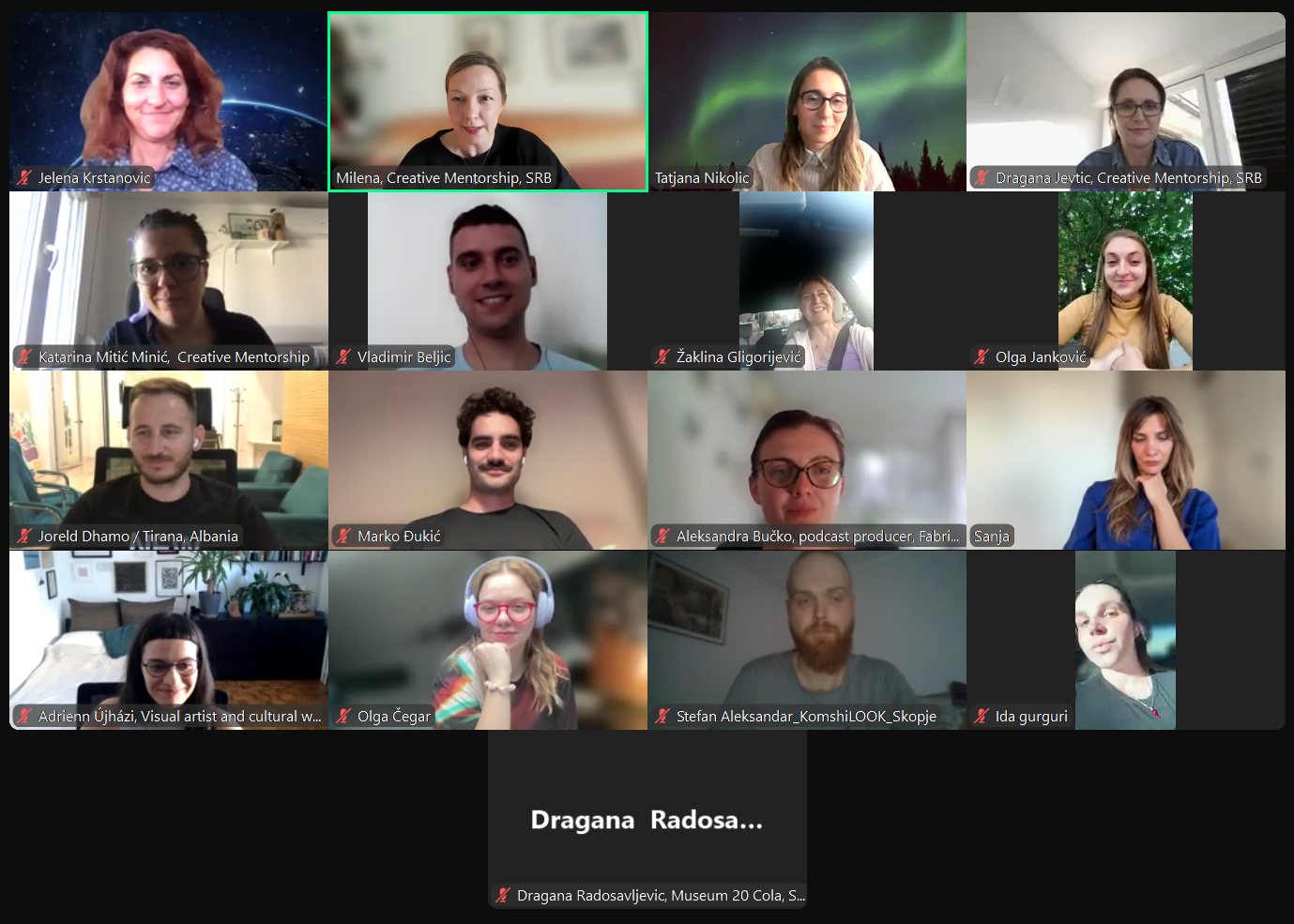
A recent workshop within the Creative Mentorship for Young Professionals Educational Programme brought together young professionals from across the arts and creative industries to explore how cultural projects can grow through diverse funding sources, strategic planning, and shared knowledge.
How do cultural organisations and creative professionals sustain their work in an increasingly complex funding landscape? And how can artists, producers, and cultural managers think more strategically about the resources that support their ideas?
These were some of the questions explored during a recent workshop on fundraising held within the Educational Programme of the Creative Mentorship for Young Professionals Programme. Designed as a practical learning session for participants working across the arts, culture, and creative industries, the workshop focused on one essential topic: how to diversify funding sources and build a more resilient financial approach to cultural work.
Fundraising in the cultural sector is rarely straightforward. Many organisations still rely heavily on public funding, which often makes long-term planning difficult and limits the space for experimentation. The workshop therefore opened a broader conversation about the importance of combining different funding streams and understanding the opportunities—and limitations—that each of them brings.
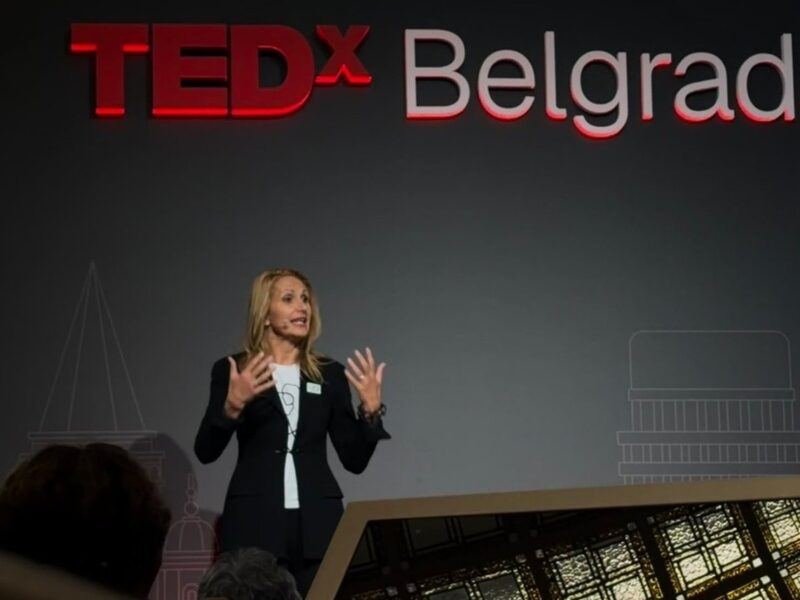
The session was led by Dr Tatjana Nikolić, Research Associate at the Faculty of Dramatic Arts at the University of Belgrade, Programme Associate and member of the Advisory Board of Creative Mentorship. Dr Nikolić guided participants through the main sources of funding available to organisations and initiatives in the cultural and creative sectors, including public funds, corporate donations, sponsorships and CSR partnerships, commercial income, individual donations and crowdfunding, as well as European and international project funding.
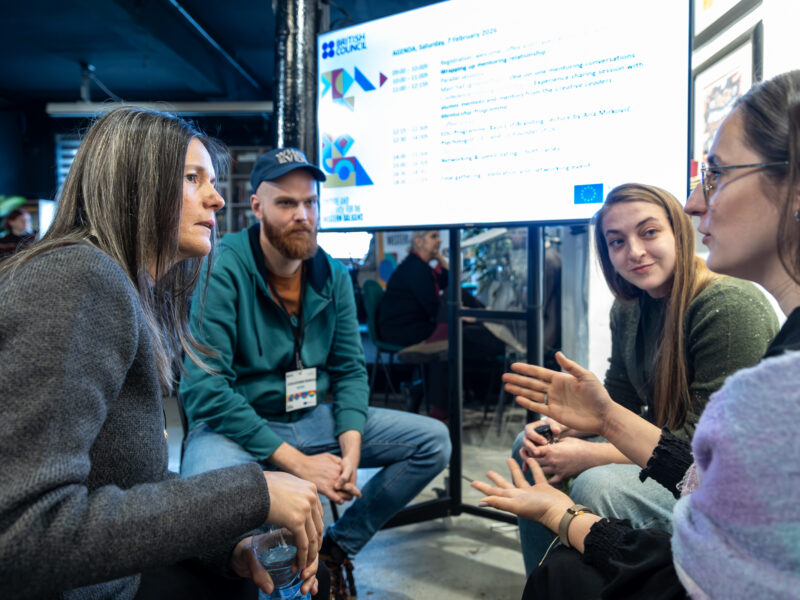
Beyond mapping these funding streams, the discussion addressed practical questions that many cultural practitioners encounter in their daily work: how to structure project expenses and income, what different funding models require in terms of reporting and accountability, and what the advantages and limitations of each source may be. Participants working in film, media, festivals, and the performing arts also shared their own experiences and challenges when navigating funding realities in Serbia and across the region.
“It really helped me understand the big picture of how a project is structured and funded”, one participant noted, reflecting on the overview of different funding streams and project components.
The second part of the workshop focused on European funding opportunities and the practical aspects of project budgeting. Jelena Krstanović, Creative Mentorship’s Financial Manager and a producer working in the fields of arts and culture, introduced participants to the EU Funding & Tenders Portal and the process of applying for Creative Europe projects.
Through a practical example, participants had the opportunity to review the structure of a European project budget and become familiar with key concepts used in EU applications, such as lump sum budgets, actual costs, work packages, and co-financing requirements.
Participants particularly appreciated the step-by-step explanation of the budgeting process. As one of them shared: “Jelena’s walk-through of the Excel budget template was extremely helpful—it can be confusing when you encounter it for the first time.”
Alongside the workshop presentations, participants also received a curated list of useful resources, including recommended links to donors, foundations, and funding opportunities relevant to the cultural and creative sectors.
“The recommended links and information on donors and fundraising opportunities were especially useful”, another participant noted.
While fundraising is often perceived primarily as a technical skill, the workshop highlighted a broader perspective: financial literacy is increasingly becoming an essential part of cultural practice itself. Understanding how projects are funded is not only about securing resources—it is also about building sustainable organisations, developing collaborations, and ensuring that artistic and cultural initiatives can continue to grow.
Within the Creative Mentorship for Young Professionals Educational Programme, workshops such as this one provide space for continuous learning, practical exchange, and reflection on the realities of working in the cultural and creative sectors across. By bringing together professionals from different fields and contexts, these sessions contribute to strengthening the knowledge, networks, and long-term sustainability of the cultural scene across the Western Balkans.
The Creative Mentorship for Young Professionals Programme is supported by the British Council through the Culture and Creativity for the Western Balkans (CC4WBs) project, funded by the European Union. #CC4WBs aims to foster dialogue in the Western Balkans by enhancing the cultural and creative sectors for increased socio-economic impact.